EdGate Powers Podcast #34 - with Don Fraser, Jr.
Preparing students for an evolving workforce means helping them understand their strengths, explore different employment possibilities, and recognize how their education connects to life beyond the classroom. Yet career exploration can lose its impact when it consists of isolated activities, and students may develop valuable skills without ever learning how those capabilities translate to future opportunities. Schools have an opportunity to make these connections more intentional by treating career readiness, self-awareness, and durable skills as ongoing parts of education.
In this episode of the EdGate Powers Podcast, Rich Portelance speaks with Don Fraser, Jr., founder of Fourth Horizon LLC, about how education can better prepare learners for the changing world of work. Drawing on decades of experience across education, edtech, and workforce development, Fraser discusses the role of Career and Technical Education (CTE), the importance of sustained career exploration, and why students should have a voice in shaping their learning experiences.
The conversation also examines how educators can help students recognize skills such as communication, empathy, critical thinking, problem-solving, and resilience. Fraser explains why learning from failure is an important part of personal development and how schools can make these capabilities more visible alongside academic achievement. The discussion extends to AI and educational innovation, with an emphasis on involving students in evaluating new tools and determining whether they address genuine learning needs.
In this episode, you will learn:
- Why career exploration and work-based learning need to be sustained throughout a student's educational journey.
- How job shadowing, internships, and interest assessments can help students connect classroom learning with employment possibilities.
- Why Career and Technical Education should be considered alongside college and other postsecondary pathways.
- How educators can help students identify durable skills developed through school, work, hobbies, and everyday experiences.
- Why communication, empathy, critical thinking, and resilience matter across different careers and technical fields.
- How schools can normalize failure and help students learn from setbacks.
- Why student voice and participation can lead to better learning experiences and more effective school improvement efforts.
- How educators can evaluate AI and other educational technologies based on student needs rather than novelty.
Why This Conversation Matters
Students need more than academic knowledge to navigate a world where employment opportunities and workplace expectations continue to evolve. They also need to understand what they are good at, where they can grow, and how their capabilities apply across different situations. By explicitly teaching durable skills, creating opportunities to learn from setbacks, and returning to career exploration over time, educators can help students build a stronger understanding of themselves and the possibilities available to them.
Fraser also makes the case for including students in decisions that directly affect their lives. Whether schools are addressing attendance challenges, designing learning experiences, or considering AI tools, students can offer insights that leaders might otherwise overlook. For education companies and curriculum developers, this perspective reinforces the importance of designing solutions around actual learner needs and recognizing that effective innovation requires listening, testing, and adapting.
Join Rich and Don as they explore how CTE, durable skills, and student participation can help make education more relevant to learners' goals and future opportunities. Their conversation offers a reminder that preparing students for the future begins with helping them understand their strengths, take an active role in their learning, and connect what they know with what they can do.
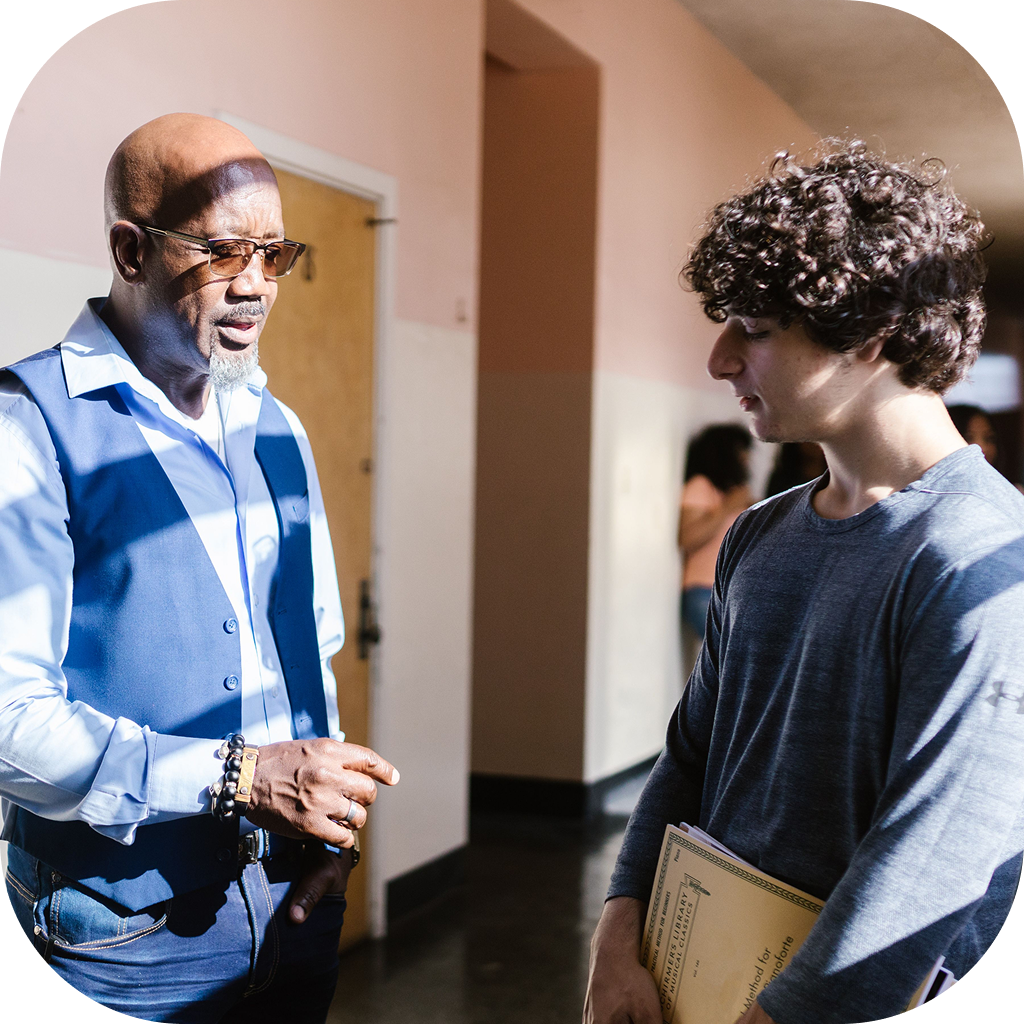
Learn more about how giving kids a greater role in shaping their education can better prepare them for the workforce.
Don Fraser, Jr. is an education and workforce innovation leader who helps organizations connect learning with the evolving needs of students, employers, and communities. As founder of Fourth Horizon LLC, he draws on nearly three decades of experience spanning high school counseling, educator preparation, educational technology entrepreneurship, and national nonprofit leadership. His work has focused on aligning education with the future of work, strengthening career exploration, and helping learners recognize durable skills such as communication, problem-solving, and resilience. Don brings a student-centered perspective to how Career and Technical Education, emerging technologies, and stronger connections between education and employment can help prepare learners for a changing world.
Rich is passionate about eEdTech and helping people discover pathways to successful careers. He leverages his many years of business experience in strategy, product development, brand creation and sales & marketing as a frequent industry speaker and sought after consultant.
Beginning his career in digital marketing and web development, Rich was recruited into the private, independent school market to help usher in digital technologies and social media. During this time, Richard served as a student advisor and was nominated to serve on the CAIS (Connecticut Association of Independent Schools) Technology Commission. In 2012, Rich joined York & Chapel, a brand and digital transformation agency where he began working with secondary and higher ed clients, developing strategies for student engagement and pathway creation. In 2014, Richard founded CareerPath, a SaaS engagement platform. Over the past ten years, Rich has given back to the industry as an advisor to numerous EdTech startups, and generally has had a blast doing what he loves to do — help others succeed.
Questions Answered
During the podcast, we tackle critical questions that districts are asking about changing workforce expectations, the importance of work-based learning, and helping students explore career paths.
- How can schools connect classroom learning to students’ future employment?
- How can schools bridge the gap between classroom learning and real-world work?
- What does the rise of CTE mean for students considering college and careers?
- How can student input improve learning design and challenge leaders’ assumptions?
- How can schools make student input a normal part of school improvement?
- What are durable skills, and why do CTE students need them alongside technical skills?
- How can schools build resilience by helping students learn from failure?
- How can schools integrate durable skills into the curriculum?
- How can educational innovation improve student opportunities instead of simply adding more tools?
- How can schools avoid repeating past technology mistakes when adopting AI?
- What should educators and employers prioritize to prepare students for lifelong learning?